Description
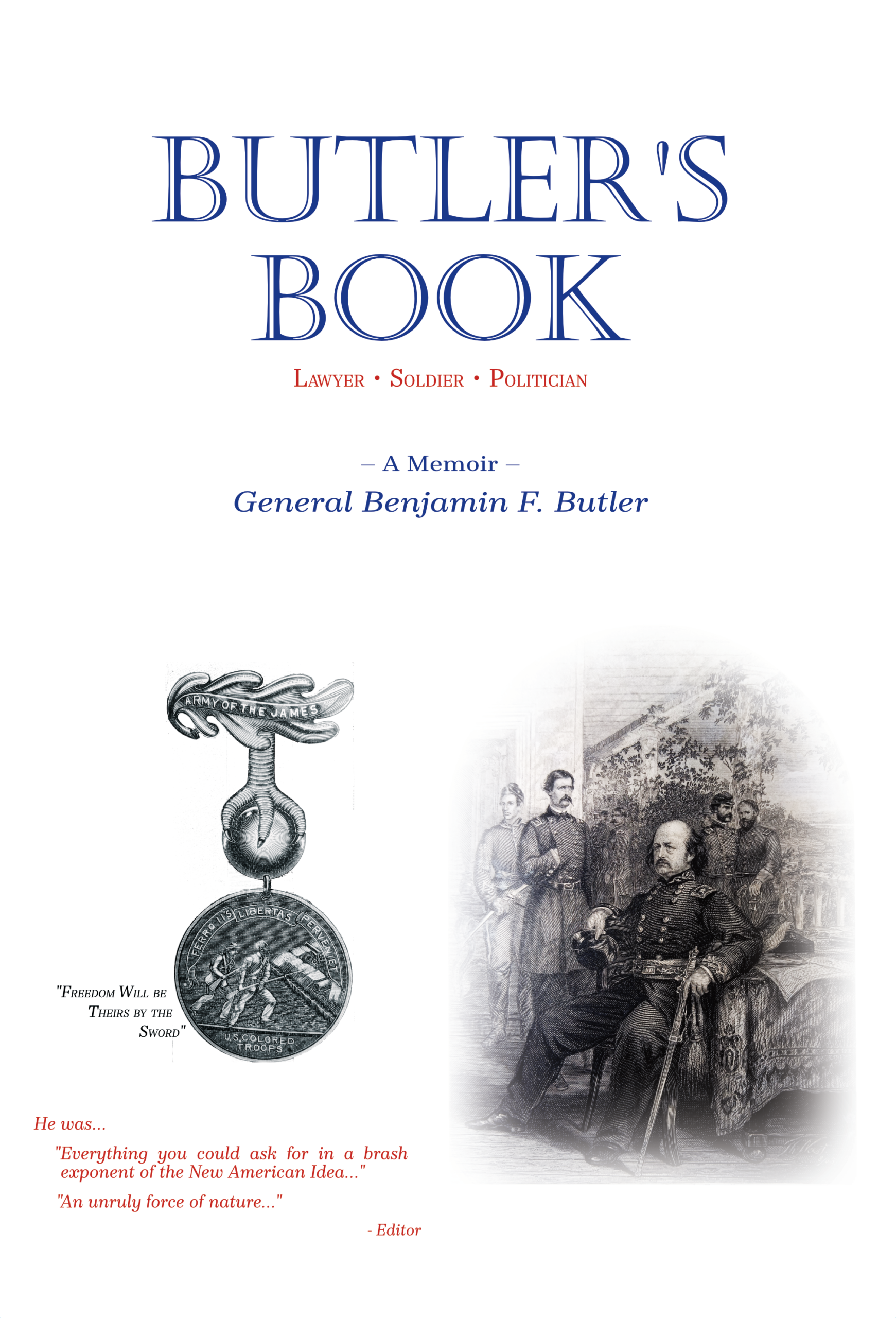
He was ugly.
Short, fat, cross-eyed; balding with a fringe of unkempt, oily hair; loud and obstreperous. Endowed with a strong sense of his own interest and a defiant sense of honor, he hated aristocracy and loved the underdog. When the Southern secession first broke out, he raised Massachusetts regiments for the Union, got himself appointed their commander, and led them to secure the nation’s capital before many in the North even realized the danger.
He ruled the captured city of New Orleans with an iron fist and a price on his head, stamped out yellow fever with relentless (and unwelcome) sanitation and harsh quarantines, and prevented outright starvation among the city’s poor, while occasionally despoiling its secessionist rich. As a politically-appointed general, his stunning success in capturing and pacifying Baltimore, then shutting down Maryland’s secession, masked his practical inexperience in battlefield operations. As well, a fondness for the lives of his men probably undermined the untutored military judgment he possessed.
He campaigned to legislate a ten-hour workday in his home state at a time when fourteen was the norm, and gleefully represented Lowell mill-girls in court against their blue-blooded employers. As a criminal defense lawyer, he became a sensation. As a politician, he reveled in his enemies as much as he treasured his friends.
His funeral procession, long after he had faded from public life, was reported to have been a mile-and-a-half long.
This unruly force of nature, flamboyant, unapologetic, forgotten by history, was called by the name Benjamin Franklin Butler.